
 Image 1 of 5
 Image 2 of 5
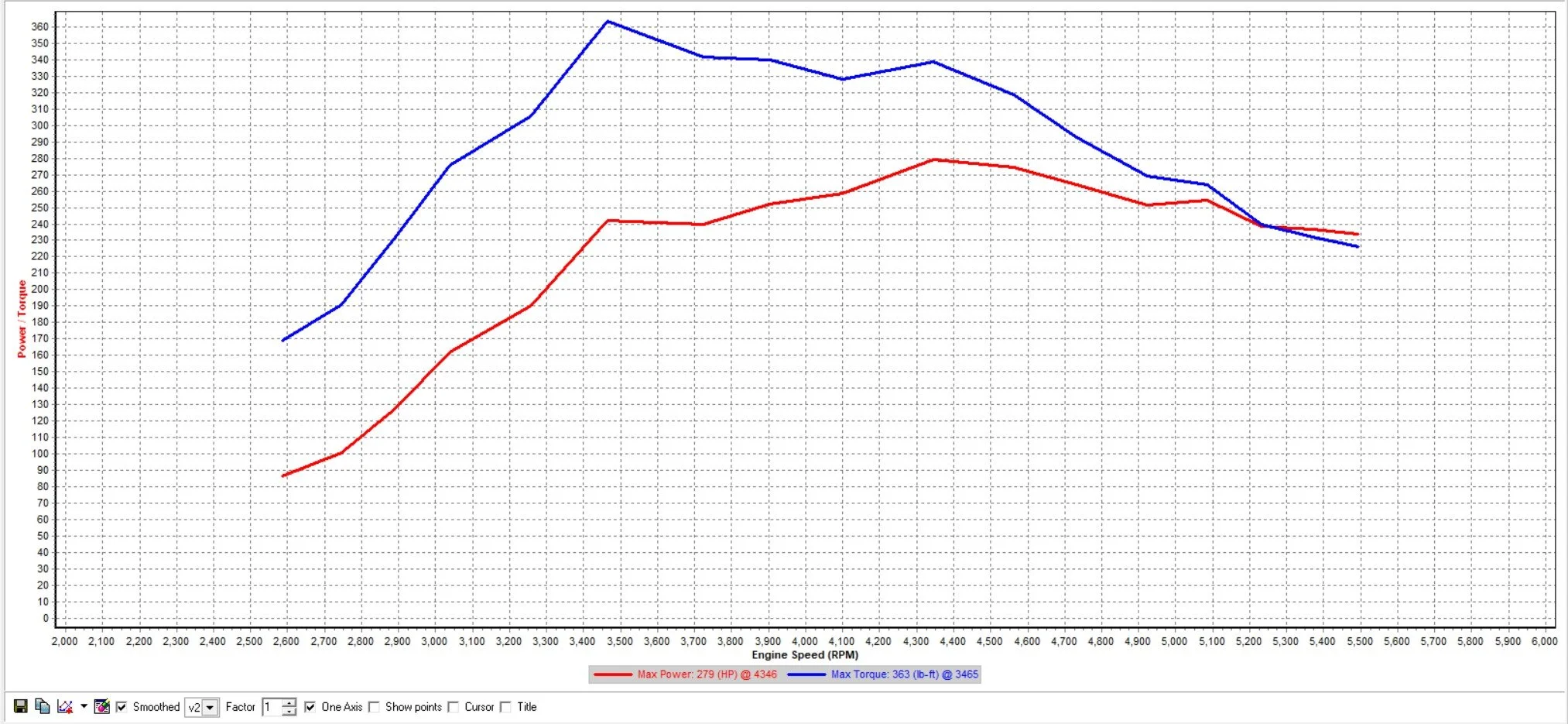 Image 3 of 5
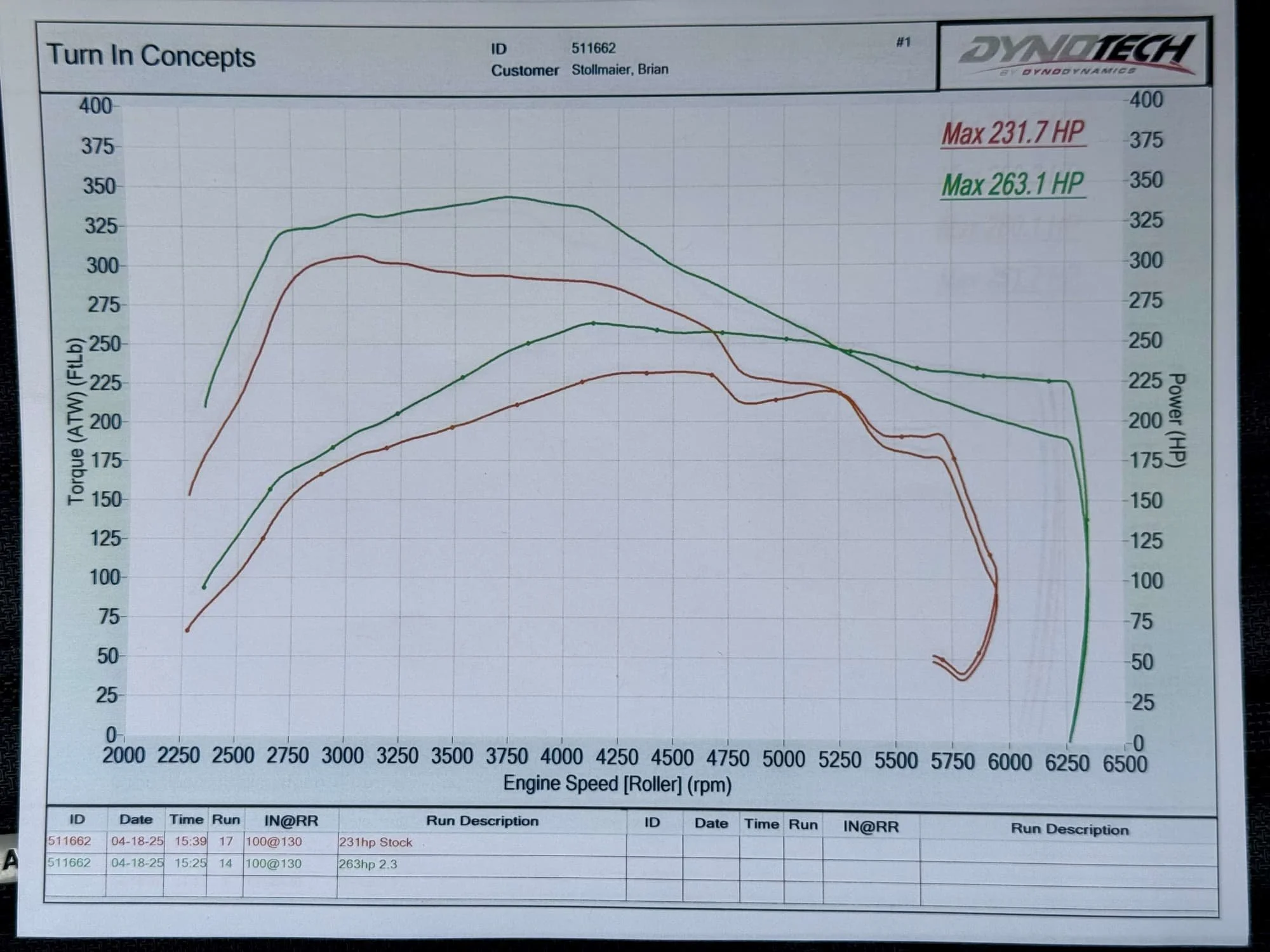 Image 4 of 5
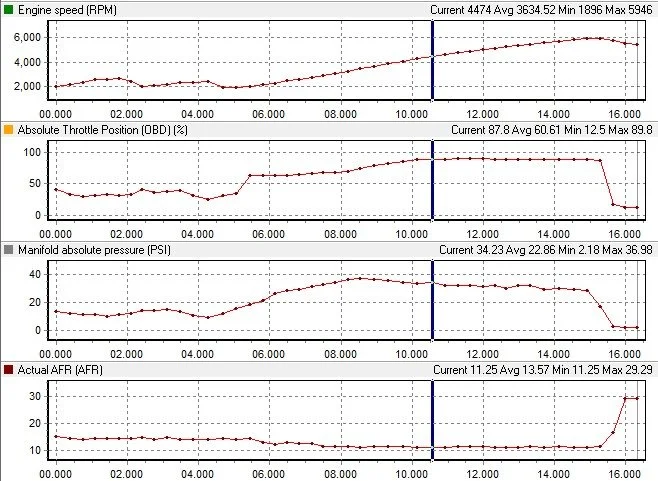 Image 5 of 5
Minimum recommended mods:
High flow drop-in panel filter (or better). Short ram intakes not recommended due to heat soak.
LP Custom Fab Catback exhaust
**91+ octane is required, same as our Tier 1 tune.**
**Throttle/Pedal commanders, JB4 Piggy backs, or other devices that influence the ECU data are not compatible.**
Aftermarket Diverter/Blow off Valves that vent to atmosphere are not compatible and will cause performance issues due to the closed-loop MAF reference system in use on the Skyactiv platform.
Remote Tuning Process & Included Timeline
Tier 2 will require the same full tuning & datalogging process used for Tier 1, from start to finish.
Up to 6 revisions are included with the upgrade, to be completed within a maximum of 4 months from date of purchase. Any delays imparted from DRTuned will result in extensions granted at no cost.
Notes on dyno testing:
All dyno results have been tested on a 2022 Mazda 3 with the factory turbo, full bolt on upgrades and 93 octane fuel. Compatibility checks are still ongoing for the CX-9 platform.
Our goal for Tier 2 has been to achieve 280 WHP, and I am truly confident that we have achieved that target.
Due to complications with how the 2.5T system calculates and targets torque outputs, the ECU did not provide the same level of boost in our dyno testing that we have measured on the street during development. Dyno testing in April 2025, showed an interim measurement of 263 WHP, merely 17 WHP short of our end goal. After several iterations were made in the development, we were able to achieve both a higher boost pressure (+3 psi peak) and higher total measured airflow throughout the entire operating range, along with several other optimizations based on the data we reviewed from that dyno session.
During the latest dyno testing, the ECU did not cooperate and targeted a peak boost pressure of 3-4 psi less than what we are measuring during datalogs on the street, and resulted in a dyno reading of only 244WHP (less than what we dyno’d in April). Given the discrepancy in the data, we at least know that the dyno runs don’t reflect its real world performance, and we have the datalogs to be able to verify that.
Combing all that information, we generated some virtual dyno’s, and “calibrated” our settings using the April dyno file as a reference point. Once we were able to mirror the same numbers and torque curve, we applied those settings to the latest Tier 2 Basemap file, and achieved a vDyno result of 279 WHP. The vDyno is incredibly inaccurate, and completely useless without the ability to reference a real world dyno chart to calibrate the settings.
So, with the knowledge that we measured 244 WHP with 4 psi under target, (easily 10+WHP per psi), and 263 WHP with 2-3 psi less, and a vDyno that shows we’re in the ballpark, I can confidently say we’ve hit our 280WHP goal.
We will be attempting to get back on the dyno again in the future, before Tier 2 is released to new first time customers. So keep your eyes on our Discord server later this year for that to appear, or for other updates on our journey to attempt to capture the current T2 performance on a dyno.